
Blog
Trusted articles on women's health, medically reviewed.
When Weight Gain Is Not Menopause: Labs Worth Discussing at an HRT Visit
Thyroid disease, insulin resistance, and iron deficiency all get mistaken for menopause. Which blood tests are worth asking for, what each one can and cannot tell you, the tests that sound useful but are not, and the findings that mean investigate rather than adjust the dose.
Eating for Fat Loss on HRT: Protein, Fiber, Alcohol, and Timing
A practical eating plan for midlife women on hormone therapy — how much protein you actually need, a realistic fiber target, what alcohol is costing you, and whether meal timing matters as much as people claim.
Strength Training in Midlife: A Weekly Plan for Muscle and Bone
A specific two-workout weekly resistance training plan for women in perimenopause and after, why muscle and bone are the real target rather than the scale, how progressive overload actually works, and who needs medical clearance first.

Heavy Periods in Your 30s and 40s: Causes, Treatment, and When to Call
What counts as a heavy period, why they often start in your late 30s and 40s, the causes worth ruling out, every treatment option from medication to surgery, and the symptoms that need same-day care.
Low Testosterone vs Depression: How They Are Told Apart
Low testosterone and depression share most of their symptoms, which is why one is routinely mistaken for the other. Here is how each is actually diagnosed, what testosterone therapy does and does not do for mood, and why getting the order wrong matters.

HRT and Weight: Gain, Loss, or No Change?
What hormone therapy actually does to weight in menopause, what the first three months realistically look like, why midlife weight gain happens with or without HRT, and what genuinely helps.

Testosterone Therapy for Men in Chicago: What It Does, What It Risks, and the Fertility Question
How testosterone therapy is properly diagnosed and monitored, what the TRAVERSE trial changed about the heart-risk picture, realistic expectations for muscle and energy, and the fertility-safe alternatives if you may still want children.

Signs You May Be a Candidate for HRT
How to tell perimenopause from menopause, the symptoms that respond to hormone therapy, who is a good candidate under current guidelines, and when vaginal estrogen alone is the right answer.

Hormone Replacement Therapy in Chicago: A Practical Guide for Midlife Women
What HRT is, the types and routes available, who benefits and who should be cautious, what the timing hypothesis means for your decision, how long to stay on it, and the questions to bring to your appointment.
Hormones and Mental Health: Mood Across the Reproductive Lifespan
How hormonal change influences mood at each stage — cycles, contraception, pregnancy and postpartum, and the menopause transition — what the evidence actually supports, and when a mood problem needs treating on its own terms rather than hormonal ones.

When to See a Gynecologist: A Guide by Age
What the well-woman visit actually covers at each stage of life, the real cervical and breast screening intervals, what to raise at your appointment, and the symptoms that should not wait for your annual.
Urinary Incontinence in Women: What Actually Works
Leaking urine is common, it is not an inevitable part of aging or childbirth, and most women improve without surgery. Here is the honest evidence on each option.

Abnormal Uterine Bleeding: Causes, Evaluation, and Treatment
What counts as abnormal uterine bleeding, the PALM-COEIN causes clinicians work through, how it is evaluated, treatment options, and the bleeding patterns that need urgent assessment.
Uterine Fibroids: Symptoms, Diagnosis, and Every Treatment Option
What fibroids are, why location matters more than size, how they are diagnosed, and the full range of treatment from medication to uterus-sparing surgery — including what they mean for fertility and pregnancy.
Uterine Polyps: Bleeding, Diagnosis, and When They Need to Come Out
Endometrial polyps are a common and usually benign cause of bleeding between periods, heavy periods, and postmenopausal spotting. Here is how they are found, when removal is warranted, and what hysteroscopic polypectomy involves.
Missing Periods (Amenorrhea): What Your Cycle Is Telling You
A period that stops, or never starts, is a signal worth investigating. Here is what causes amenorrhea, how we work it up, and why it matters for your bones.

PMS and PMDD: Managing Premenstrual Symptoms
What PMS actually is, how it differs from PMDD and from endometriosis, how to track it properly, and what genuinely helps — from lifestyle measures to SSRIs and hormonal treatment.
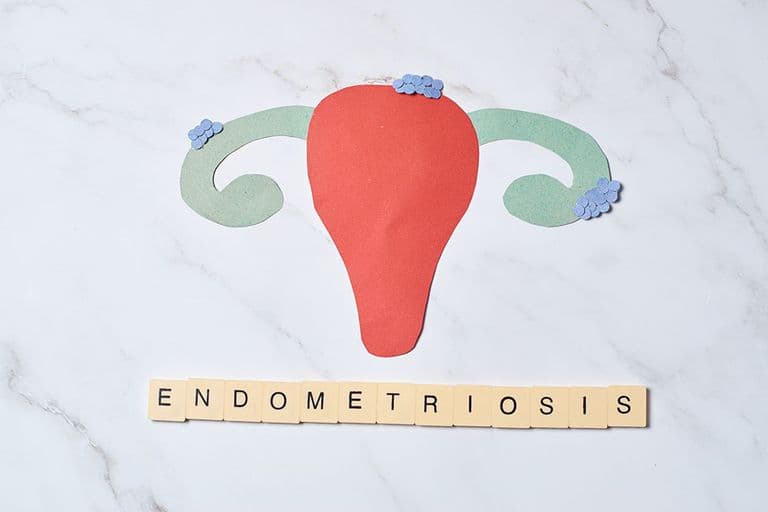
Endometriosis: Symptoms, Diagnosis, and Treatment
What endometriosis is, why diagnosis takes years, how it differs from ordinary period pain and from PMS, and the full range of treatment from hormonal management to excision surgery.
Colposcopy After an Abnormal Pap: What Happens and What It Means
An abnormal Pap or positive HPV test is a signal to look closer, not a cancer diagnosis. Here is exactly what a colposcopy involves, what the biopsy results mean, and how cervical changes are treated.
STD Testing and Treatment — What to Test For, When, and Why
Most sexually transmitted infections cause no symptoms at all, which is exactly why screening exists. Here is what the CDC recommends testing for, what the tests involve, and how each infection is treated.
Vaginal Infections: Bacterial Vaginosis, Yeast, and How to Tell Them Apart
BV and thrush are treated with completely different medicines and are constantly confused. How to tell them apart, why over-the-counter guessing so often fails, what actually treats each, and when discharge means something else.
The HPV Vaccine: Who Needs It, When, and How Many Doses
Gardasil 9 is the only HPV vaccine available in the US — who it's recommended for, the two- versus three-dose schedules, catch-up through 26, shared decision-making to 45, and what it does and doesn't replace.

Managing Menopause: Perimenopause, Symptoms, and Treatment Options
The difference between perimenopause and menopause, the full range of symptoms including the ones nobody warns you about, every treatment option from hormone therapy to non-hormonal prescriptions, and what the evidence says about supplements.
Fertility After Endometrial Ablation: Why It Is Not Contraception
Endometrial ablation is not sterilisation. Pregnancy afterwards is uncommon but carries markedly higher risk, which is why reliable contraception is recommended and why ablation is offered only to people who have finished having children.