
gynecology
Birth Control: How Each Method Works and How Well
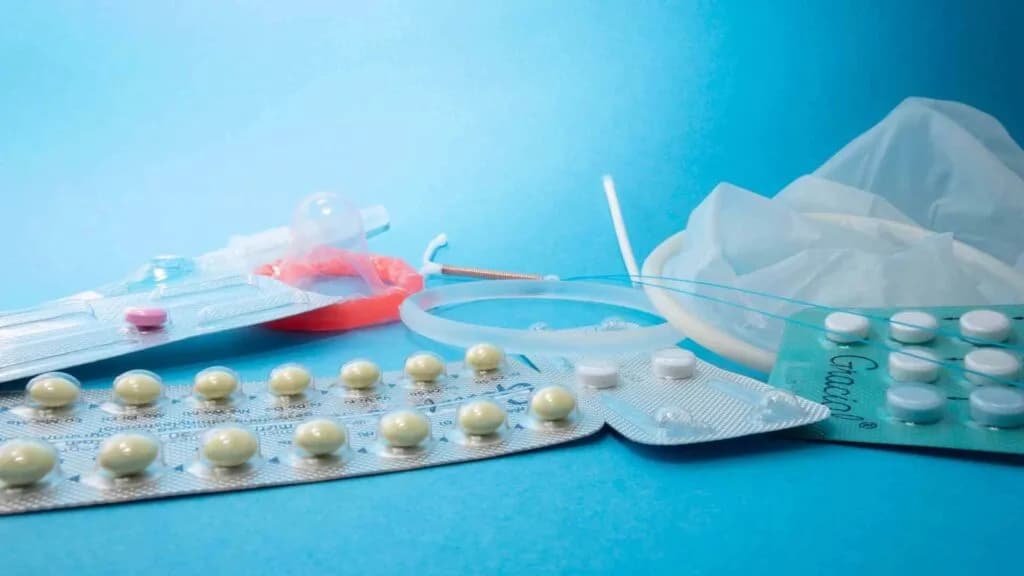
There is no single best contraceptive — there is the one that fits your body, your medical history, and how much you want to think about it. This page compares every method honestly, including how well each works in real life rather than in ideal conditions.
First: do you need a pelvic exam to get birth control?
Usually no. Per ACOG, a pelvic exam and a Pap smear are not required to prescribe most contraception — the pill, patch, ring, implant, or injection. A blood pressure check is the one measurement that genuinely matters before starting an estrogen-containing method.
A pelvic exam is needed only for methods that physically go in: an IUD insertion, or a diaphragm or cervical cap fitting.
This page absorbed an older article that got this badly wrong — it framed the pelvic exam itself as a form of birth control and described a "finger-size condom" product that does not exist. Neither claim was real, and requiring an unnecessary exam is a documented barrier to people getting contraception at all.
Effectiveness, honestly
Two numbers matter and they are often conflated. Perfect use is the method working as designed. Typical use is real life. The gap between them is the single most useful thing to know about a method.
Most effective — nothing to remember (over 99%)
Perfect and typical use are essentially identical here, because there is no user error to make.
- Hormonal IUD — Mirena and Liletta up to 8 years, Kyleena up to 5, Skyla up to 3. Usually makes periods much lighter.
- Copper IUD (Paragard) — FDA-approved for 10 years, evidence supports up to 12. Hormone-free. Often makes periods heavier.
- Implant (Nexplanon) — a matchstick-sized rod in the upper arm, approved for 3 years. The most effective reversible method there is. Irregular spotting is the usual trade-off.
- Sterilisation — tubal ligation or vasectomy. Considered permanent; choose it only if you are certain.
An older version of this page said "IUDs can be used for up to 12 years," which over-generalises. Duration is specific to the device, as above.
Effective, but depend on you (typical use 91–94%)
- Combined pill — daily. Over 99% perfect use, about 93% typical.
- Progestin-only pill — daily, within a strict ~3-hour window for most brands.
- Patch (Xulane, Twirla) — a new patch weekly for 3 weeks, then a patch-free week.
- Vaginal ring (NuvaRing, Annovera) — see the correction below.
- Injection (Depo-Provera) — every 12–13 weeks. The one method genuinely associated with weight gain, and it can take longer for fertility to return after stopping.
A correction on the ring. An older version of this page said the NuvaRing "must be replaced every three weeks." That is misleading. The ring is worn for 3 weeks, removed for 1 week, and then a new ring is inserted — so it is replaced roughly every 4 weeks, worn for 3 of them. Annovera is different again: one ring is reused for a full year on the same 3-weeks-in, 1-week-out cycle.
Barrier methods (typical use 71–87%)
Less effective at preventing pregnancy, but the only category that also reduces STI transmission.
- External (male) condom — about 87% typical use. The best STI protection available.
- Internal (female) condom — about 79% typical use.
- Diaphragm or cervical cap — used with spermicide; requires fitting.
- Spermicide alone — about 79% typical use. Weak on its own.
Fertility awareness and withdrawal
- Fertility awareness methods — 77–98% depending on the specific method and how rigorously it is followed. Requires genuine commitment and regular cycles.
- Withdrawal — about 80% typical use.
- Lactational amenorrhea — effective only under strict conditions: under 6 months postpartum, exclusively breastfeeding, and no periods yet. All three, or it does not apply.
Emergency contraception
- Copper IUD — over 99% effective within 5 days, the most effective option, and it continues as ongoing contraception.
- Ulipristal (Ella) — prescription; effective up to 5 days and does not lose effectiveness as quickly over that window.
- Levonorgestrel (Plan B and generics) — available without prescription; most effective the sooner it is taken, and effectiveness is reduced at higher body weight.
Emergency contraception is not an abortion — it works primarily by delaying ovulation, and it will not end an established pregnancy.
Choosing: the questions that actually decide it
- Do you want to avoid hormones? Copper IUD, barrier methods, or fertility awareness.
- Do you want to forget about it entirely? IUD or implant.
- Are your periods heavy or painful? A hormonal IUD or a combined method may treat that at the same time.
- Do you smoke and are you 35 or over, or do you get migraine with aura? Avoid estrogen — progestin-only methods and IUDs remain open.
- Might you want to conceive soon? Everything except sterilisation is reversible; only the injection has a meaningful delay in return to fertility.
- Do you need STI protection? Condoms, alongside whatever else you use.
Talk it through
Contraceptive choice is a conversation, not a form. We will go through your history, your periods, and what you actually want the method to do.
- The contraceptive pill: questions and answers
- The IUD: your complete guide
- Birth control consultation
- Book an appointment online
Medical disclaimer
This article is general health information, not medical advice for any individual, and effectiveness figures are population estimates rather than predictions about you. Contraceptive choice depends on your own medical history and should be made with your clinician.