
gynecology
The Contraceptive Pill: Questions and Answers
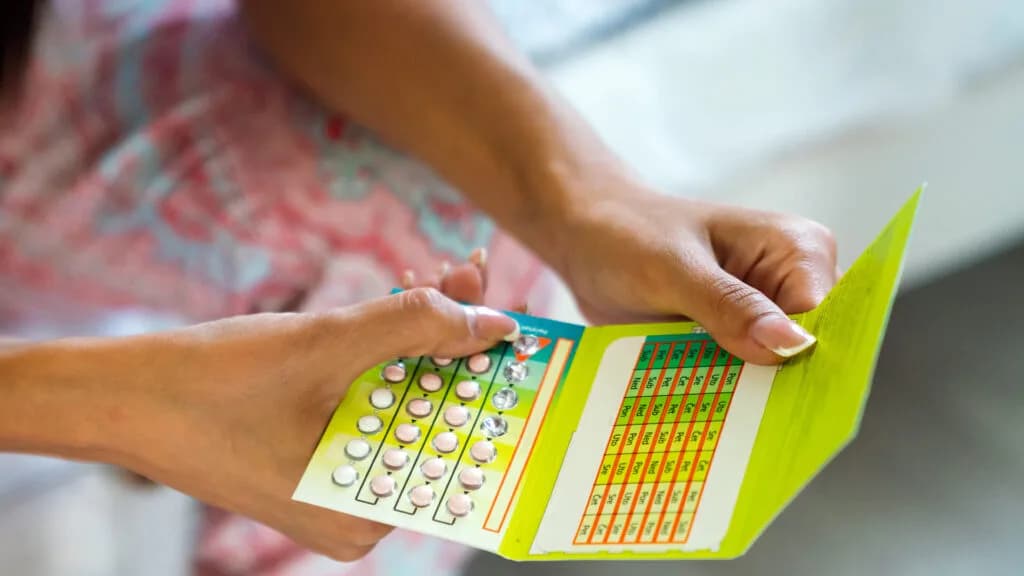
The contraceptive pill is the most-used reversible method of birth control in the United States and one of the most-misunderstood. This page answers the questions patients actually ask, starting with the one that matters most.
Is the pill effective on its own?
Yes. The pill is effective contraception by itself. You do not need to use a second method alongside it to prevent pregnancy.
We are stating this bluntly because an earlier version of this page said the opposite — that the pill "cannot be used as a form of birth control on its own" and must be combined with condoms. That was wrong, and we are correcting it directly rather than editing it away.
The real numbers:
- Perfect use — taken correctly every time: over 99% effective.
- Typical use — real life, including the occasional late or missed pill: about 93% effective, meaning roughly 7 in 100 users become pregnant over a year.
That gap between 99% and 93% is entirely about consistency, not about some hidden inadequacy of the medication.
Condoms are still worth using — for a different reason. They are the only method that protects against sexually transmitted infections. The pill offers no STI protection whatsoever. So the advice is "pill plus condoms for STI protection," never "pill plus condoms because the pill isn't enough."
What are the types of pill?
- Combined oral contraceptives (COCs) contain estrogen and a progestin. Most pills fall here.
- Progestin-only pills (POPs, the "mini-pill") contain no estrogen. Used when estrogen is contraindicated — including while breastfeeding, and for people with migraine with aura or certain cardiovascular risks.
The distinction matters for timing, as below.
What if I miss a pill?
The answer is genuinely different for the two types, and generic advice causes real pregnancies.
Progestin-only pills have a strict window. Most POPs must be taken within about 3 hours of the same time each day. Outside that, take it as soon as you remember, keep taking the rest on schedule, and use backup contraception for 48 hours. (Drospirenone-containing POPs have a wider window — check your specific product.)
Combined pills are more forgiving:
- One missed active pill (under 48 hours late) — take it as soon as you remember, even if it means two in one day, then continue. No backup needed.
- Two or more missed (48+ hours late) — take the most recent one immediately, discard the others, continue the pack, and use backup for 7 days. If those pills were missed in the last week of active pills, skip the placebo week and go straight into the next pack.
- Missed pills in the first week with unprotected sex in the preceding days — consider emergency contraception.
When in doubt, take a pill and call the office. Do not stop the pack.
Does the pill cause weight gain?
The evidence does not support it. Cochrane systematic reviews of combined hormonal contraceptives have not found evidence of significant weight gain. Most people on the pill do not gain meaningful weight because of it.
An earlier version of this page answered this question with a flat "Yes." That was an overstatement and is corrected here.
Two honest qualifications: some people do experience temporary fluid retention early on, and the one method genuinely associated with weight gain is the injectable DMPA (Depo-Provera) — not the pill. If your weight changes in a way that troubles you, that is worth a conversation, not a reason to assume the pill is the cause.
What are the common side effects?
Most settle within the first two to three months:
- Breakthrough bleeding or spotting, most common in the first few packs
- Nausea, which often improves by taking the pill with food or at bedtime
- Breast tenderness
- Headaches
- Mood changes — genuinely reported by some people, though study results are mixed
What are the serious risks?
Rare, but you should know the warning signs. Combined pills carry a small increased risk of venous thromboembolism (blood clots). The absolute risk remains low, and it is lower than the clot risk of pregnancy itself.
Seek care urgently for ACHES:
- Abdominal pain that is severe
- Chest pain, shortness of breath, or coughing blood
- Headache that is severe, or new neurological symptoms
- Eye problems — vision loss or blurring
- Severe leg pain or swelling, usually one-sided
Who should not take the combined pill?
Estrogen is not appropriate for everyone. Combined pills are generally avoided with:
- Migraine with aura at any age — this is a stroke-risk consideration, and it is the contraindication most often missed
- Smoking at age 35 or over
- A history of blood clots, stroke, or heart attack
- Uncontrolled high blood pressure
- Current or past breast cancer
- Certain liver disease
- Under 21 days postpartum, or longer with additional clot risk factors
Progestin-only methods are usually available when combined pills are not — one reason to have the conversation rather than assume the pill is off the table.
When is the best time of day to take it?
Whatever time you will actually remember, taken consistently. Consistency is the whole game. Bedtime dosing can help if the pill makes you nauseated. Claims that morning dosing prevents headaches are anecdotal. For progestin-only pills, the same time each day is not a preference but a requirement.
Does the pill affect future fertility?
No. Fertility returns quickly after stopping — for most people within the first cycle or two. The pill does not cause infertility, and it does not "need to clear your system" for months.
Are there non-contraceptive benefits?
Several, and they are often the reason a pill is prescribed:
- Lighter, more predictable, less painful periods
- Improvement in acne and hirsutism for some
- Management of PCOS symptoms and endometriosis pain
- Reduced risk of ovarian and endometrial cancer, an effect that persists for years after stopping
Talk to us
The right contraception depends on your medical history, your other health conditions, and what you actually want from it. That is a ten-minute conversation, and it is worth having properly.
- How birth control works — a comparison of all the methods
- Birth control consultation
- Book an appointment online
Medical disclaimer
This article is general health information, not medical advice for any individual, and it is not a substitute for a prescription or a consultation. Contraceptive choice depends on your own medical history. If you think you may be pregnant or are having any of the ACHES symptoms above, seek care now rather than reading further.